On this page
Pennsylvania at a glance
Antique plate only- Status
- Antique plate only for new owners
- Where you can drive
- Any road on an antique plate, for occasional trips one day a week at most
- Speed rule
- No speed cap; the limit is use, not speed
- Interstates
- No Kei-specific ban on an antique plate; weekly use limit still applies
- Title / registration
- Title $72; antique plate $102 one time; farm exemption or off-road title for private land
- Inspection
- None for antique, farm-exempt or off-road titled mini trucks
- Emissions
- None on those three routes
- Key law
- PennDOT Mini Trucks FAQ; 67 Pa. Code 67.6; HB 1205 pending
Is a Kei Truck street legal in Pennsylvania?
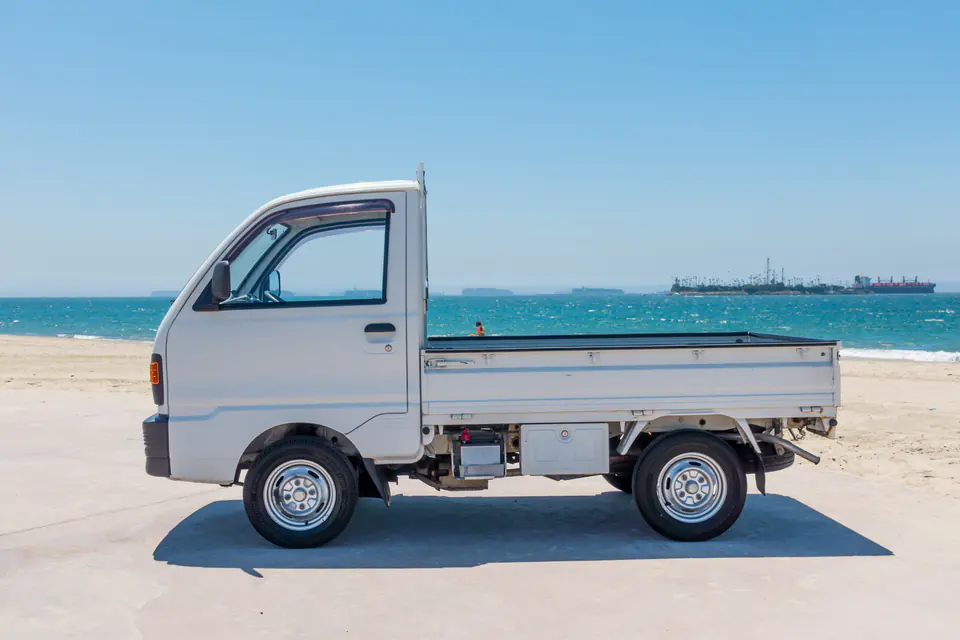
Barely. The Pennsylvania Department of Transportation (PennDOT) stopped issuing unrestricted road registrations to mini trucks in December 2021. Its Mini Trucks FAQ says only owners who already had PennDOT's grandfathering letter, issued with a December 1, 2021 date, keep unrestricted plates. The protection lapses when the truck changes hands. A Pennsylvania truck advertised as registered cannot pass that plate to you.
PennDOT's definition of a mini truck follows the Japanese Kei class: 660cc or less, up to 130 inches long, 78 inches tall and 60 inches wide. Kei Trucks built from late 1998 on run about 133.7 inches, which puts them outside that definition on paper. That does not open a door. PennDOT's FAQ explains its concern: these trucks were never built to US safety standards or certified to EPA emission standards, and that is true at any length.
Three restricted routes remain. Only one of them reaches a public road.
How does the antique plate work for a Kei Truck?
Antique registration is the road route. PennDOT lists it for mini trucks at least 25 years old that are used for occasional transportation, not for business or daily driving. Under 67 Pa. Code 67.6, occasional means one day per week at most, and club events, shows, tours and parades are also allowed. There is no speed cap and no Kei-specific road ban, so the weekly limit does the restricting.
Costs are low and mostly paid once. PennDOT's fee schedule (MV-70S, revised April 2026) lists $72 for the title and $102 for the antique plate, with no yearly renewal fee. PennDOT's FAQ also says an antique-registered mini truck needs no annual safety or emission inspection.
One condition is easy to miss. The Vehicle Code describes an antique motor vehicle as one kept substantially to the maker's specifications. A lift, oversized tires or a light bar can put that at risk, so ask PennDOT before you modify the truck. Keeping it stock is easier with a factory-style service manual and original-pattern lights.
What are the farm and off-road options?
- Farm vehicle exemption: a two-year certificate of exemption for a truck used only on farms the owner owns or operates. No annual registration or inspection. Renew it every two years.
- Off-road title: a one-time fee, no inspection, and use on private property only.
Both suit landowners, and neither lets you drive to town. Next door, Ohio takes another approach: it titles mini-trucks and lets local governments open their slower roads to them.
What are the steps to register a Kei Truck in Pennsylvania?
Plan the route before the truck ships, because the paperwork and insurance differ. The federal import steps come first; see how to import a Kei Truck and the 25-year rule.
Pick your route
Choose between antique registration (occasional road use), the farm vehicle certificate of exemption (work use on farmland you own or run) and an off-road title (private property only). PennDOT lists all three for mini trucks.
Gather the import paperwork
Bring the Japanese export certificate with a certified translation, your bill of sale, the US Customs and Border Protection (CBP) Form 7501, the HS-7 safety declaration and EPA Form 3520-1. These prove ownership and lawful entry.
Title the truck
Apply for a Pennsylvania certificate of title. PennDOT's fee schedule (MV-70S, revised April 2026) lists $72 for the title. Pay any sales tax due at the same time.
Register for your route
For road use, apply for antique registration ($102, paid once) and keep the truck close to factory specification. For farm use, apply for the two-year farm vehicle certificate of exemption and renew it on schedule.
Insure it
A registered vehicle in Pennsylvania needs liability insurance, antique plates included. A collector-car insurer or an agreed-value policy often fits the one-day-a-week limit better than a standard auto policy.
Japanese bumpers are drilled for a different plate size, so an antique plate usually needs an adapter.
What is the status of HB 1205?
Stuck in committee. HB 1205, sponsored by Representative David Zimmerman, was filed and sent to the House Transportation Committee on April 15, 2025. As of October 2026 the bill page shows no hearing, vote or amendment.
As written, it would let mini trucks use PennDOT roads posted 55 mph or less, allow the Secretary of Transportation to open roads up to 70 mph or close risky ones by order, and exempt mini trucks from safety and emissions inspection. It keeps the 130-inch definition. The 2025-2026 session ends November 30, 2026, and bills that have not passed by then die.
Compare neighbors on the Kei Truck laws hub, including New York, which offers no road route at all.
Frequently asked questions
Can I buy a registered Kei Truck in Pennsylvania and keep its plate?
Not for unrestricted use. PennDOT's FAQ ties grandfathered on-road status to the owner who received its December 1, 2021 letter, and that status ends once the truck is sold and ownership transfers. A buyer can still apply for antique registration, a farm exemption or an off-road title.
How many days a week can an antique-plated Kei Truck be driven in Pennsylvania?
For errands, one day a week at most, under 67 Pa. Code 67.6. Club events, shows, tours and parades are allowed on top of that. Business use and daily commuting are not. Ordinary traffic law sets the speed and road rules, so the weekly limit is the real constraint.
Does a Kei Truck need a Pennsylvania inspection?
Not on the routes open to new owners. PennDOT's FAQ says antique-registered, farm-exempt and off-road titled mini trucks are not subject to annual safety or emission inspection. You are still responsible for keeping lights, brakes and tires in safe shape for any road trip.
Can I lift a Kei Truck and keep antique registration?
Be careful. The Vehicle Code describes an antique motor vehicle as one kept substantially to the maker's specifications. A lift, oversized tires or a light bar may not fit that description. Ask PennDOT in writing before you modify a truck you plan to register as an antique.
Is HB 1205 likely to legalize Kei Trucks on Pennsylvania roads?
Not soon. HB 1205 would allow mini trucks on roads posted 55 mph or less and drop inspections for them, but it has not moved since its April 15, 2025 referral to the House Transportation Committee. If it does not pass by November 30, 2026, it dies with the session.
Is farm use of a Kei Truck allowed in Pennsylvania?
Yes. PennDOT offers a two-year farm vehicle certificate of exemption for a mini truck used only on farms the owner owns or operates, with no annual registration or inspection. The FAQ describes on-farm use only, so ask PennDOT before planning any road travel between parcels.
Sources
This page explains the rules in plain English. It is not legal advice. Laws change and offices apply them differently, so confirm with your state DMV or county titling office before you buy or register a truck.